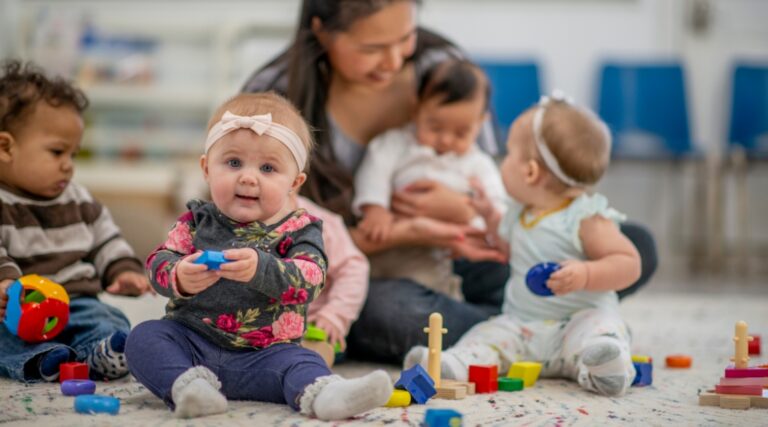
The Impact of Group Activities on Social Skill Development
Group activities provide essential opportunities for children to develop crucial social skills that form the foundation for lifelong relationships and successful community participation. At Little Pioneers Early Learning Centre in Rathmines, Lake Macquarie NSW, we understand that carefully structured group experiences help children learn cooperation, empathy, and communication skills in natural, engaging ways. These collaborative learning opportunities prepare children for future success in school and beyond.
Building Communication and Language Skills
Group activities naturally encourage children to express their ideas, listen to others, and engage in meaningful conversations. These communication opportunities strengthen language development while teaching children how to articulate their thoughts and understand different perspectives.
Communication development benefits include:
- Learning to express ideas clearly and confidently in group settings
- Developing active listening skills and showing respect for others’ opinions
- Practising turn taking in conversations and group discussions
- Building vocabulary through exposure to diverse language from peers
Developing Cooperation and Teamwork Abilities
Collaborative activities teach children essential teamwork skills including sharing responsibilities, working towards common goals, and supporting one another’s efforts. These cooperation skills transfer to academic settings and future workplace environments.
Teamwork skill development includes:
- Learning to share materials and take turns during group projects
- Understanding individual roles within larger group objectives
- Developing patience and flexibility when working with others
- Celebrating collective achievements and shared successes
Fostering Empathy and Emotional Intelligence
Group interactions help children recognise and understand emotions in themselves and others. Through observing peer reactions and responses, children develop empathy and learn appropriate ways to support friends during various emotional experiences.
Emotional intelligence building includes:
- Recognising facial expressions and body language in group members
- Learning to offer comfort and support when others feel upset
- Understanding how personal actions affect other children’s feelings
- Developing emotional regulation skills through peer modelling
Enhancing Problem Solving and Conflict Resolution
Group activities naturally present challenges and disagreements that provide valuable learning opportunities for problem solving and conflict resolution. Children learn to negotiate, compromise, and find mutually acceptable solutions to interpersonal difficulties.
Problem solving development includes:
- Learning to negotiate and find compromises during group play
- Developing strategies for resolving conflicts peacefully and fairly
- Understanding different approaches to solving shared problems
- Building confidence in addressing interpersonal challenges independently
Building Confidence and Self Esteem
Positive group experiences help children develop confidence in their social abilities while building self esteem through successful peer interactions. These confident social skills create foundations for future relationship building and leadership development.
Confidence building benefits include:
- Gaining comfort with expressing ideas and opinions in group settings
- Developing leadership skills through guiding group activities and discussions
- Building resilience when facing social challenges or disappointments
- Celebrating individual contributions to group achievements and successes
Preparing for School and Future Success
The social skills children develop through group activities directly prepare them for school environments where cooperation and peer interaction are essential for academic and social success.
Ready to help your child develop essential social skills through engaging group activities? Contact our Rathmines, Lake Macquarie centre – we’d love to chat!