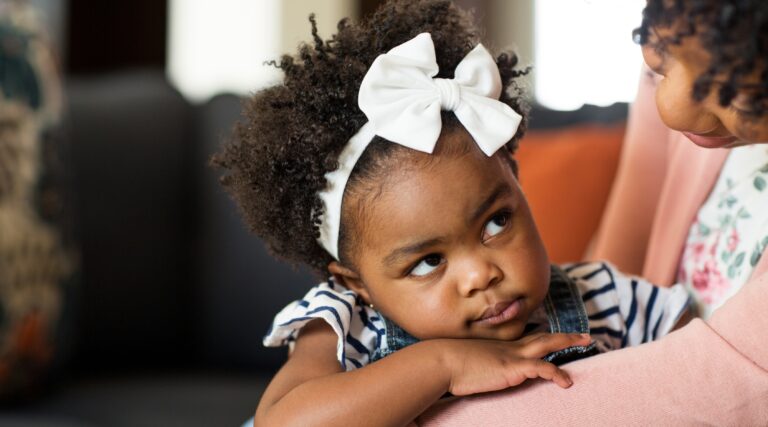
How to Manage Big Emotions in Little People
Young children experience intense emotions that can feel overwhelming and confusing without proper support and guidance. At Little Pioneers Early Learning Centre in Rathmines, Lake Macquarie NSW, we understand that teaching children to recognise, understand, and manage their emotions is fundamental to their overall development and future wellbeing. Through patient guidance and proven strategies, we help children develop emotional regulation skills that will serve them throughout their lives.
Understanding Emotional Development in Young Children
Children’s brains are still developing the areas responsible for emotional regulation, making big feelings particularly challenging to manage independently. Understanding this developmental reality helps adults respond with patience and appropriate support rather than expecting mature emotional control.
Developmental considerations include:
- Recognising that emotional outbursts are normal parts of healthy child development
- Understanding that children need time and practice to develop self regulation abilities
- Acknowledging that each child develops emotional skills at their own unique pace
- Providing consistent support while children learn to navigate complex feelings
Teaching Emotion Recognition and Vocabulary
Helping children identify and name their emotions is the first step toward effective emotional management. When children can recognise what they’re feeling, they’re better equipped to communicate their needs and develop appropriate coping strategies.
Emotion recognition strategies include:
- Using emotion charts and facial expression cards to help children identify feelings
- Teaching descriptive words for various emotional states through daily conversations
- Encouraging children to describe how their bodies feel when experiencing different emotions
- Reading books that explore emotions and discussing characters’ feelings and responses
Implementing Calming Techniques and Coping Strategies
Children need concrete tools and techniques for managing overwhelming emotions when they occur. Teaching specific calming strategies empowers children to take active roles in their emotional regulation while building confidence in their abilities.
Effective calming techniques include:
- Deep breathing exercises adapted for young children using visual aids and games
- Creating quiet spaces where children can retreat when feeling overwhelmed
- Teaching progressive muscle relaxation through fun movement and stretching activities
- Using sensory tools like stress balls, weighted blankets, or calming music
Creating Supportive Environments for Emotional Expression
The physical and emotional environment significantly impacts children’s ability to manage big emotions effectively. Safe, understanding spaces allow children to express feelings without shame while learning appropriate ways to cope.
Supportive environment features include:
- Establishing consistent routines that provide security and predictability
- Responding to emotional outbursts with empathy and understanding rather than punishment
- Teaching children that all feelings are acceptable while some behaviours need guidance
- Celebrating emotional growth and successful self regulation attempts
Building Emotional Intelligence Through Daily Interactions
Emotional intelligence develops through countless small interactions and teachable moments throughout each day. Our educators consistently model emotional regulation while providing gentle guidance during challenging moments.
Daily emotional intelligence building includes:
- Acknowledging and validating children’s feelings while guiding appropriate expression
- Helping children problem solve conflicts and disagreements with peer support
- Teaching empathy by discussing how actions affect other people’s feelings
- Encouraging children to comfort and support friends during emotional difficulties
Supporting Families in Emotional Development
Consistent approaches between home and childcare environments strengthen children’s emotional development. We provide families with strategies and resources to support emotional growth at home.
Family support includes:
- Sharing effective calming techniques that can be used in home environments
- Providing guidance about age appropriate expectations for emotional regulation
- Offering resources and workshops about supporting children’s emotional development
- Maintaining open communication about individual children’s emotional needs and progress
Ready to help your child develop strong emotional regulation skills for lifelong success? Contact our Rathmines centre today – we’d love to chat!