Using Puzzles to Develop Persistence and Concentration
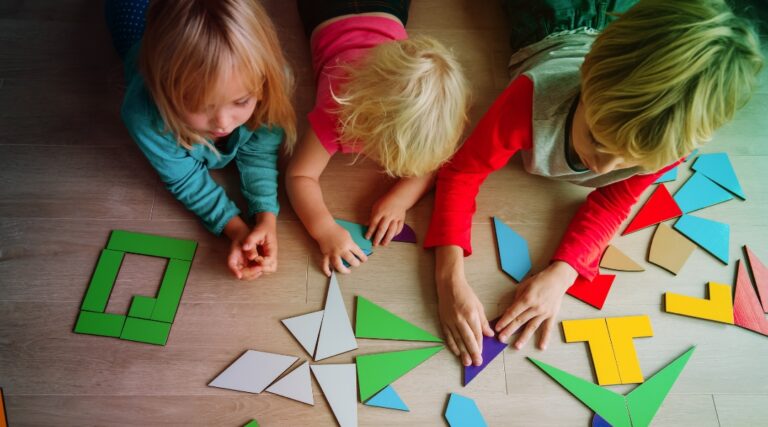
Puzzles provide exceptional opportunities for children to develop persistence, concentration, and problem solving skills that transfer to all areas of learning and life. At Little Pioneers Early Learning Centre in Coffs Harbour, NSW, we incorporate varied puzzle activities throughout our programs to build children’s capacity for focused attention and resilient thinking. These engaging challenges teach children the value of perseverance while strengthening cognitive abilities essential for future academic success.
Building Focus and Sustained Attention Skills
Puzzle activities naturally require children to maintain concentration for extended periods, gradually building their capacity for sustained attention. This skill development directly supports school readiness and academic achievement across all subject areas.
Concentration building benefits include:
- Developing the ability to focus on detailed tasks for increasing lengths of time
- Learning to filter out distractions while working on challenging problems
- Building mental stamina necessary for complex learning tasks and academic work
- Strengthening visual attention skills through careful observation of puzzle pieces
Developing Persistence and Resilience
Puzzles present children with challenges that require multiple attempts and different approaches to solve successfully. These experiences teach children that effort and persistence lead to achievement, building resilience for future challenges.
Persistence development includes:
- Learning to work through frustration when initial attempts don’t succeed
- Developing strategies for breaking complex problems into manageable steps
- Building confidence in their ability to overcome difficulties through continued effort
- Understanding that making mistakes is a natural part of the learning process
Enhancing Problem Solving and Critical Thinking
Puzzle solving requires systematic thinking, pattern recognition, and strategic planning skills that support cognitive development across multiple domains. These thinking skills transfer to mathematical concepts, reading comprehension, and creative problem solving.
Problem solving skill development includes:
- Learning to analyse shapes, colours, and patterns to identify correct puzzle piece placement
- Developing logical reasoning skills through trial and error experimentation
- Building spatial awareness and visual processing abilities through piece manipulation
- Strengthening memory skills by remembering successful strategies and piece locations
Supporting Fine Motor Development and Hand Eye Coordination
Manipulating puzzle pieces provides excellent opportunities for developing fine motor control and hand eye coordination skills essential for writing, drawing, and other precise movements required in academic settings.
Fine motor development benefits include:
- Strengthening finger muscles and improving dexterity through piece manipulation
- Developing precise hand movements necessary for writing and drawing activities
- Building bilateral coordination skills through using both hands together effectively
- Enhancing visual motor integration through coordinated hand and eye movements
Creating Collaborative Learning Opportunities
Group puzzle activities encourage teamwork, communication, and shared problem solving while building social skills alongside cognitive development. These collaborative experiences strengthen friendships while teaching cooperation.
Collaborative learning includes:
- Working together to complete large floor puzzles that require multiple children’s participation
- Sharing strategies and helping peers when they encounter difficulties
- Celebrating collective achievements and supporting each other through challenges
- Learning to negotiate and compromise when deciding on puzzle solving approaches
Adapting Puzzle Activities for Individual Needs
Successful puzzle programs offer various difficulty levels and types to accommodate different developmental stages, interests, and learning styles within the same environment.
Individual adaptation strategies include:
- Providing simple knob puzzles for toddlers alongside complex jigsaw puzzles for older children
- Offering themed puzzles that reflect individual interests and cultural backgrounds
- Adapting puzzle complexity based on each child’s current skill level and attention span
- Supporting children who need additional assistance while maintaining appropriate challenges
Ready to help your child develop persistence and concentration through engaging puzzle activities? Contact our Coffs Harbour centre today – we’d love to chat!