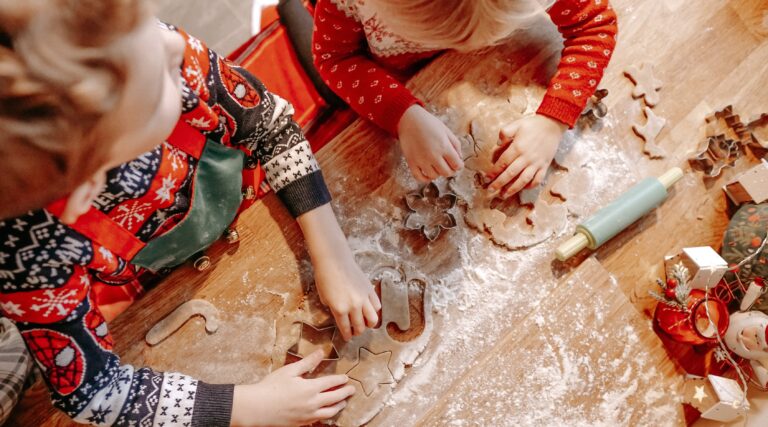

Using Loose Parts Play to Enhance Creative Thinking
Loose parts play provides unlimited opportunities for children to explore, experiment, and express creativity through open ended materials that can be moved, combined, and transformed. At Little Pioneers Early Learning Centre on Pioneer Drive in Forster, NSW, we embrace loose parts philosophy to encourage innovative thinking and problem solving skills. These versatile materials inspire imagination while building confidence in children’s ability to create original ideas and solutions.
Understanding Loose Parts and Open Ended Play
Loose parts are materials without predetermined purposes that children can manipulate, combine, and use in countless ways. Unlike traditional toys with specific functions, loose parts adapt to children’s imagination and creativity, supporting endless play possibilities.
Loose parts characteristics include:
- Natural materials like shells, stones, sticks, pinecones, and seed pods
- Everyday items including buttons, bottle tops, fabric pieces, and cardboard tubes
- Building materials such as wooden blocks, tiles, and recyclable containers
- Sensory materials like sand, water, leaves, and various textured objects
Fostering Imagination and Innovative Thinking
Without prescribed uses, loose parts encourage children to imagine possibilities and invent creative applications. This freedom from predetermined outcomes supports divergent thinking essential for innovation and original problem solving.
Creative thinking development includes:
- Transforming simple materials into complex creations through imagination
- Generating multiple uses for same materials across different play scenarios
- Combining unexpected items to create original inventions and structures
- Developing confidence in creative abilities through successful experimentation
Building Problem Solving and Critical Thinking Skills
Loose parts play naturally presents challenges that require children to think critically, plan strategically, and solve problems independently. These cognitive experiences strengthen analytical abilities applicable across all learning domains.
Problem solving development includes:
- Determining how to balance, stack, or connect materials for structural stability
- Troubleshooting when initial ideas don’t work as expected
- Testing different approaches and learning from unsuccessful attempts
- Developing persistence when facing challenges during construction or creation
Encouraging Collaboration and Social Negotiation
Group loose parts play requires children to share ideas, negotiate plans, and work cooperatively toward shared goals. These social interactions strengthen communication skills while building teamwork abilities.
Social skill development includes:
- Discussing ideas and plans with peers during collaborative projects
- Negotiating fair material distribution and turn taking during shared play
- Contributing individual ideas to collective creations and group projects
- Appreciating diverse perspectives and approaches to same materials
Supporting STEM Learning Through Exploration
Loose parts naturally introduce science, technology, engineering, and mathematics concepts through hands on exploration and experimentation. Children discover fundamental STEM principles through play based investigation.
STEM learning opportunities include:
- Exploring physics concepts like balance, stability, gravity, and momentum
- Understanding mathematical relationships through sorting, counting, and pattern making
- Applying engineering principles when building structures and solving design challenges
- Investigating scientific concepts including magnetism, buoyancy, and cause and effect
Developing Fine Motor Skills and Hand Eye Coordination
Manipulating small loose parts strengthens fine motor control and precision necessary for writing, drawing, and other detailed tasks. These physical skills develop naturally through enjoyable play experiences.
Physical development includes:
- Strengthening finger muscles through picking up, placing, and manipulating small objects
- Improving hand eye coordination through careful placement and construction activities
- Developing bilateral coordination using both hands together during building tasks
- Enhancing spatial awareness through three dimensional construction and arrangement
Ready to unlock your child’s creative potential through innovative loose parts play? Contact our Pioneer Drive, Forster centre today to discover how our open ended learning materials inspire imagination while building essential thinking and problem solving skills.