The Role of Play in Language Acquisition and Vocabulary Building
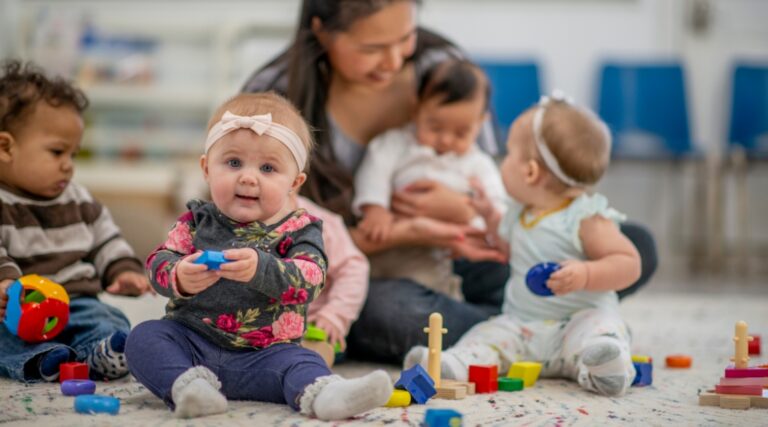
At Little Pioneers, Godwin Street, Forster, we recognise that play is one of the most powerful tools in early childhood education. Through play, children naturally develop their language and communication skills in a way that is engaging, meaningful, and developmentally appropriate. When children are immersed in playful experiences, they are constantly listening, speaking, experimenting with words, and building their vocabulary.
Why Language Development Through Play Matters
Play-based language learning supports:
- Vocabulary expansion through meaningful context.
- Social communication and turn-taking.
- Listening and comprehension skills.
- Narrative building and storytelling.
- Confidence in self-expression.
How Play Supports Language and Vocabulary
1. Dramatic Play
Pretend play allows children to explore roles, use new words, and engage in back-and-forth dialogue. Whether they’re playing “shop”, “hospital”, or “family”, children are learning to communicate with intention.
2. Storytelling and Puppetry
Children enjoy creating stories with puppets, toys, or through their own voice. These activities strengthen narrative skills, imagination, and sequencing.
3. Block and Construction Play
While building, children often describe their creations, negotiate roles, and use positional language (e.g., “on top”, “next to”).
4. Songs, Rhymes, and Finger Plays
Singing and reciting rhymes builds phonological awareness and helps children remember new words through rhythm and repetition.
5. Outdoor and Group Games
Games that involve following instructions, asking questions, and cooperative tasks promote language use in social settings.
How We Encourage Language-Rich Play at Little Pioneers
- Our educators model rich language and ask open-ended questions.
- We provide varied and interesting materials that prompt discussion.
- We support children’s ideas and give them time to express themselves.
- We integrate storytelling, music, and group play throughout the day.
Encouraging Language Development at Home
- Talk with your child about their day and ask open-ended questions.
- Play pretend games together and follow your child’s lead.
- Read aloud and encourage your child to retell the story.
- Sing songs and nursery rhymes regularly.
Building Confident Communicators Through Play
At Little Pioneers, Godwin Street, Forster, we believe that play is the natural language of childhood—and through it, children become confident, capable communicators. By supporting language development through playful experiences, we help lay the foundation for literacy, relationships, and lifelong learning.
Looking for ideas to support language growth at home? Ask our educators for fun play-based activities to try with your child!