The Role of Art in Developing Creativity and Expression in Young Children
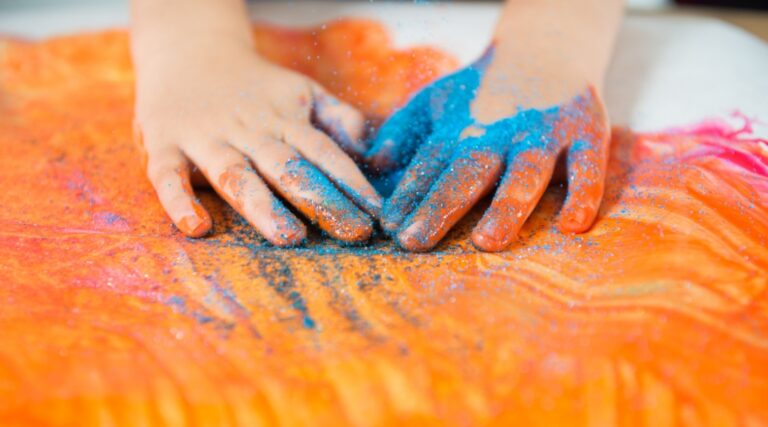
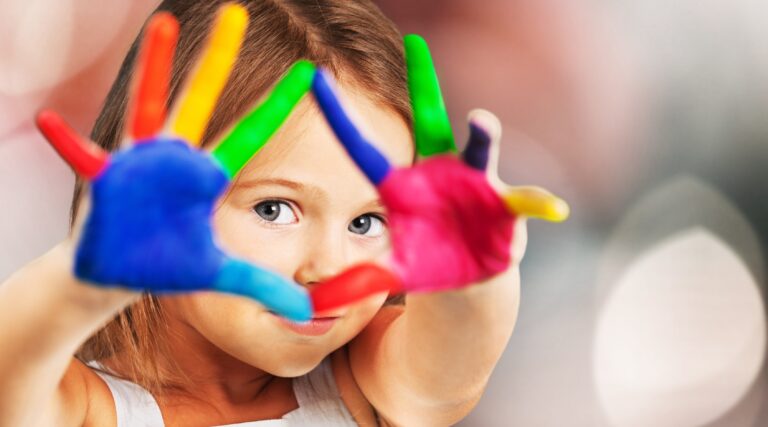
Art is a powerful tool for nurturing creativity and self-expression in young children. From finger painting to sculpting with clay, artistic activities provide children with opportunities to explore their imagination, develop fine motor skills, and express their thoughts and emotions in unique ways. At Little Pioneers, Coffs Harbour, we recognise the importance of art in early childhood development and incorporate it into our daily curriculum to support the growth and well-being of every child. In this blog post, we’ll explore the role of art in developing creativity and expression in young children and why it’s a vital part of their early learning journey.
1. Encouraging Creativity and Imagination
Art encourages children to think creatively and explore their imagination. When given the freedom to create, children can experiment with colours, shapes, and materials, allowing them to develop their own ideas and concepts.
How Art Fosters Creativity:
- Open-Ended Exploration: Unlike structured activities with specific outcomes, art is often open-ended, allowing children to explore and create without limitations. This freedom encourages them to think outside the box and develop innovative ideas.
- Problem-Solving Skills: As children work on art projects, they encounter challenges, such as how to mix colours to achieve a desired shade or how to construct a 3D object from various materials. These challenges promote problem-solving skills and resilience as they experiment with different solutions.
- Symbolic Thinking: Art provides a platform for symbolic thinking, where children can use shapes, colours, and forms to represent objects, ideas, or emotions. This form of abstract thinking is essential for cognitive development and understanding the world around them.
2. Supporting Emotional Expression
For young children who may not yet have the verbal skills to articulate their feelings, art offers a valuable means of emotional expression. Through art, children can communicate complex emotions, experiences, and thoughts in a visual and tangible way.
How Art Supports Emotional Development:
- Expressing Emotions: Whether it’s drawing a picture of a happy memory or using bold colours to express anger or frustration, art allows children to convey their emotions in a safe and constructive manner. This can be particularly helpful for children who may struggle to express their feelings verbally.
- Building Self-Awareness: As children create art, they become more aware of their own emotions and experiences. Reflecting on their artwork can help them gain insights into their thoughts and feelings, contributing to greater emotional intelligence.
- Reducing Stress and Anxiety: Engaging in art activities can be a calming and therapeutic experience for children. The process of creating something can help them relax, focus, and find a sense of accomplishment, reducing stress and anxiety.
3. Developing Fine Motor Skills
Art activities, such as drawing, painting, cutting, and sculpting, require the use of small muscles in the hands and fingers. These activities are essential for developing fine motor skills, which are crucial for tasks like writing, buttoning clothes, and using utensils.
How Art Enhances Motor Skills:
- Hand-Eye Coordination: As children draw or paint, they must coordinate their hand movements with their visual perception, enhancing hand-eye coordination.
- Precision and Control: Activities like colouring within lines or cutting shapes with scissors require precision and control, helping children develop the fine motor skills necessary for more complex tasks.
- Muscle Strength: Manipulating materials like clay or dough helps build muscle strength in the hands and fingers, further supporting motor skill development.
4. Promoting Cognitive Development
Art activities contribute to cognitive development by encouraging children to think critically, make decisions, and solve problems. As they engage in creative projects, children learn to plan, organise, and execute their ideas, developing important cognitive skills.
How Art Stimulates Cognitive Growth:
- Critical Thinking: Art projects often involve making choices, such as selecting colours, deciding on a composition, or choosing materials. These decisions require critical thinking and encourage children to evaluate their options and outcomes.
- Spatial Awareness: Creating art helps children develop spatial awareness, as they learn to understand and manipulate space, size, and proportions in their work.
- Memory and Concentration: Art activities require focus and concentration, helping children improve their attention span and memory as they work on detailed projects.
5. Enhancing Communication Skills
Art can also play a role in enhancing communication skills, both verbal and non-verbal. As children create and share their artwork, they learn to communicate their ideas, thoughts, and feelings with others.
How Art Supports Communication:
- Verbal Expression: Discussing their artwork with educators or peers provides children with opportunities to practise verbal communication. They learn to describe their creative process, explain their choices, and express their ideas and emotions.
- Non-Verbal Communication: Through art, children can communicate non-verbally by using symbols, colours, and shapes to convey meaning. This form of communication is especially valuable for children who may be shy or have limited verbal skills.
- Cultural Understanding: Art can be a powerful way for children to learn about and appreciate different cultures. By exploring art from various cultural traditions, children can gain a broader understanding of the world and communicate their own cultural identity.
6. Fostering Social Development
Art activities in a group setting can foster social development by encouraging collaboration, sharing, and teamwork. Working on joint art projects allows children to learn important social skills while expressing their creativity.
How Art Encourages Social Interaction:
- Collaborative Projects: Group art projects, such as creating a mural or building a sculpture together, require children to work as a team, share materials, and communicate their ideas. This fosters cooperation and strengthens social bonds.
- Sharing and Feedback: In a collaborative art environment, children learn to share resources and provide constructive feedback to their peers. These interactions help them develop empathy, respect for others, and the ability to work collaboratively.
- Building Friendships: Art activities can create a sense of community and belonging, as children come together to create and share their work. This shared experience can lead to the formation of friendships and a positive social environment.
Our Commitment to Art in Early Childhood
At Little Pioneers, Coffs Harbour, we are dedicated to fostering creativity and self-expression through a wide range of art activities. We believe that every child is an artist, and we provide a supportive environment where they can explore their imagination, develop new skills, and express themselves freely. Our art programs are designed to cater to the diverse interests and abilities of each child, ensuring that they have the opportunity to engage with art in meaningful and enjoyable ways.
Little Pioneers, Coffs Harbour, incorporates a variety of artistic mediums, including painting, drawing, sculpture, collage, and mixed media, allowing children to experiment with different techniques and materials. Our educators encourage children to take risks, make mistakes, and learn from the creative process, fostering a growth mindset that will serve them well in all areas of life.
Conclusion
Art plays a crucial role in developing creativity and expression in young children. Through artistic activities, children can explore their imagination, express their emotions, develop fine motor skills, and enhance cognitive and social development. At Little Pioneers, Coffs Harbour, we are committed to providing a rich and varied art program that supports each child’s unique journey of creativity and self-expression.
We at Little Pioneers, Coffs Harbour, invite you to visit our centre and see firsthand how we integrate art into our daily curriculum. Together, we can nurture the next generation of creative thinkers, problem-solvers, and confident individuals who are ready to explore the world with curiosity and imagination.