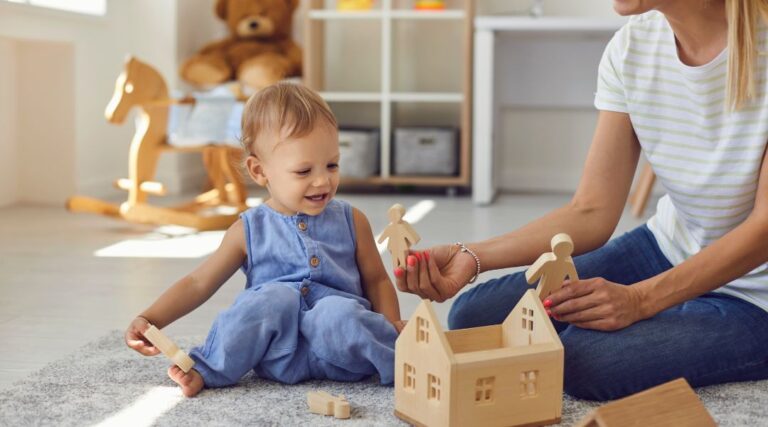

How to Teach Young Children About Empathy and Kindness
Empathy and kindness are two of the most important qualities we can instil in young children. These traits not only help them build strong, positive relationships but also contribute to their overall emotional and social development. Teaching empathy and kindness at an early age sets the foundation for children to grow into compassionate and considerate individuals. In this blog post, we’ll explore practical ways to teach young children about empathy and kindness, both at home and within our childcare centre.
1. Model Empathy and Kindness
Children learn by observing the behaviour of the adults around them. One of the most effective ways to teach empathy and kindness is by modelling these behaviours yourself. Show empathy by listening attentively to your child’s feelings, acknowledging their emotions, and responding with understanding. Demonstrate kindness through small acts of generosity and consideration, whether it’s helping a neighbour, sharing with others, or simply offering a kind word.
At Little Pioneers Arcadia Vale, educators consistently model empathy and kindness in their interactions with children, helping to reinforce these values in a supportive environment.
2. Encourage Perspective-Taking
Helping children understand the feelings and perspectives of others is key to developing empathy. Encourage your child to think about how others might feel in different situations. For example, if they see a friend who is upset, ask them questions like, “How do you think your friend is feeling?” or “What can you do to help them feel better?” These questions encourage children to put themselves in someone else’s shoes and consider how their actions can affect others.
3. Use Stories and Role Play
Stories and role play are powerful tools for teaching empathy and kindness. Reading books that feature characters displaying empathy and kindness can help children understand these concepts in a relatable way. After reading, discuss the characters’ feelings and actions with your child. Ask them how they would feel in a similar situation and what they would do to help.
Role play is another effective method. Create scenarios where your child can practise being kind and empathetic, such as comforting a “hurt” stuffed animal or helping a friend in need. These activities allow children to rehearse kind and empathetic behaviour in a safe, playful environment.
4. Praise Kind Actions
Positive reinforcement is a great way to encourage empathetic and kind behaviour. When your child displays kindness or empathy, be sure to acknowledge and praise their actions. For example, if they share a toy with a friend or comfort someone who is sad, let them know how proud you are of their kindness. This not only boosts their self-esteem but also reinforces the importance of these behaviours.
At Little Pioneers Arcadia Vale, we make a point to recognise and celebrate acts of kindness among children, fostering a culture of empathy and caring.
5. Teach the Language of Emotions
Helping children understand and articulate their emotions is an important step in developing empathy. Teach your child the words they need to express how they feel, such as happy, sad, angry, or frustrated. When children can identify and communicate their own emotions, they are better equipped to recognise and empathise with the emotions of others.
At Little Pioneers Arcadia Vale, we incorporate emotional literacy into our daily activities, encouraging children to talk about their feelings and helping them develop the vocabulary needed to express themselves.
6. Create Opportunities for Cooperative Play
Cooperative play encourages children to work together, share, and support each other, providing natural opportunities to practise empathy and kindness. Activities that require teamwork, such as building a block tower or working on a group art project, help children understand the value of helping others and working towards a common goal.
We incorporate cooperative play into our curriculum to help children develop strong social bonds and learn the importance of collaboration, empathy, and kindness.
7. Discuss Real-Life Examples
Discussing real-life examples of empathy and kindness can make these concepts more tangible for children. Use everyday situations to highlight the importance of these traits. For instance, if you see someone helping an elderly person with their groceries, point it out to your child and discuss how this act of kindness made a difference.
By bringing attention to these moments, you help your child see how empathy and kindness play out in the real world and inspire them to act similarly.
Our Approach to Teaching Empathy and Kindness
At Little Pioneers Arcadia Vale, we are committed to nurturing empathetic and kind individuals. Through a combination of modelling, positive reinforcement, and structured activities, we create an environment where children can learn and practise these essential qualities. We believe that by teaching empathy and kindness, we are helping to raise a generation of compassionate, considerate individuals who will contribute positively to their communities.
Conclusion
Teaching young children about empathy and kindness is one of the most valuable gifts we can give them. By modelling these behaviours, encouraging perspective-taking, and providing opportunities for practice, we help children develop the social and emotional skills they need to build meaningful relationships and navigate the world with compassion.
Together, we can foster a culture of empathy and kindness, both at home and in our childcare centre, ensuring that our children grow into caring, thoughtful individuals who make a positive impact on those around them.